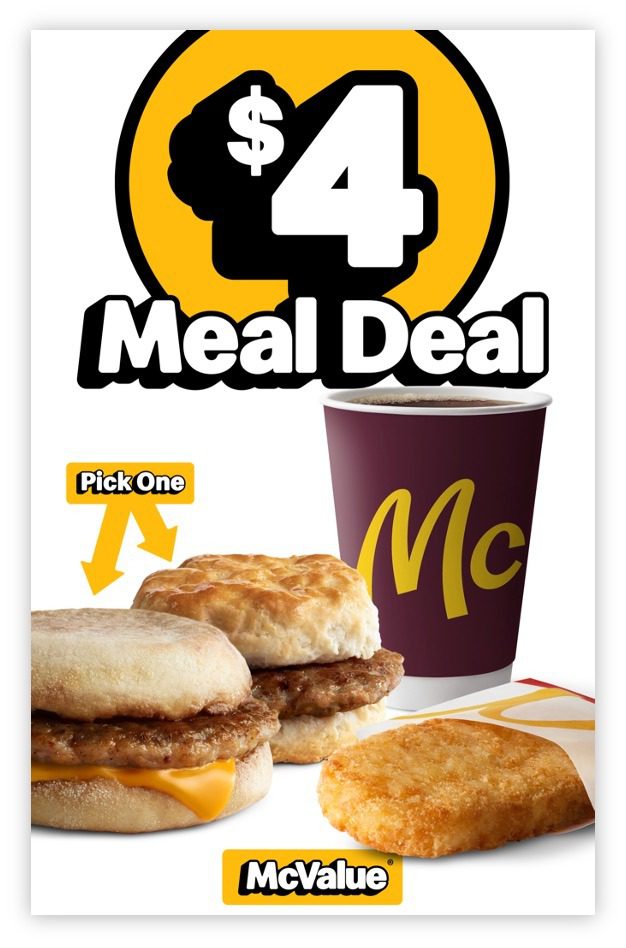
When the world’s biggest burger chain starts advertising a $4 breakfast, it is tempting to read it as a sign of trouble. It is closer to the opposite: a deliberate, well-calculated bet. Here is what is actually going on, and what you can take from it.
1. Revenue can grow while customers leave
McDonald’s brought in $26.9 billion in 2025. Yet its lower-income customers had been quietly walking away after repeated price increases. Headline numbers hide who you are losing. Ask yourself: which customers have you stopped seeing, and would you notice?
2. Price is a message
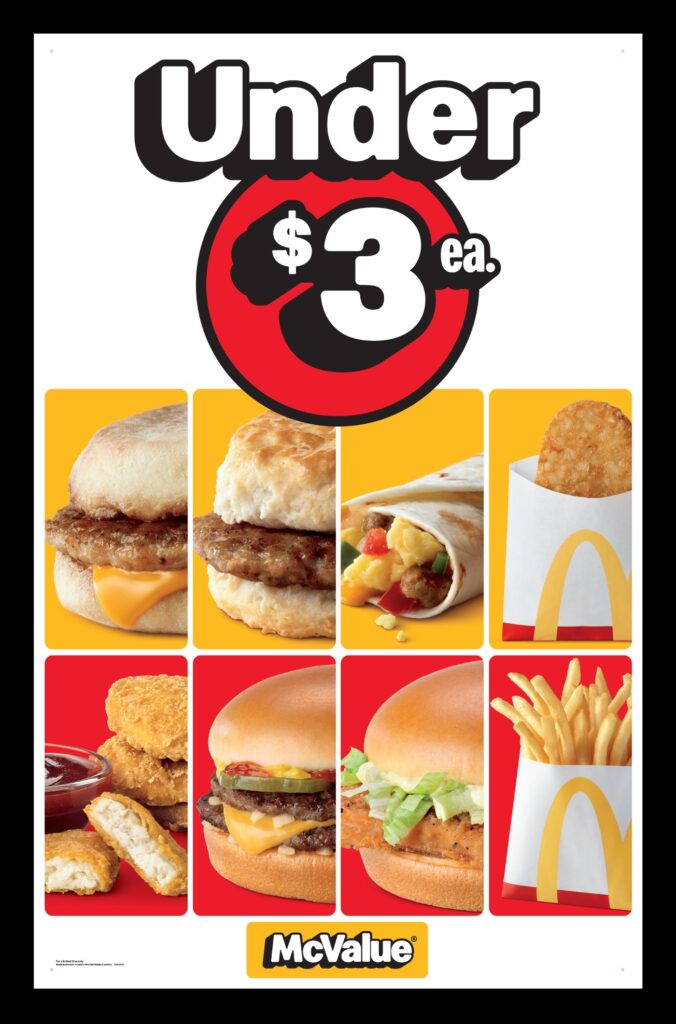
By pushing $3 items and a $4 meal, McDonald’s was telling a specific group of people, “you are welcome here again.” Your pricing speaks to your customers the same way, whether you intend it to or not.
3. The plan has to work for the people carrying it out
McDonald’s franchisees approved McValue before launch, because they bear the cost of every discounted meal. Any strategy that squeezes your team, partners or resellers needs their buy-in, or it will not last.
4. Volume has to beat margin
The plan depends on more customers walking in to make up for less profit on each order. So far it is working: sales rose 6.8% in the fourth quarter. But executives themselves flag franchisee profitability as a concern, especially with beef costs up. A value strategy has a shelf life.
5. Test before you cut
McDonald’s tried value offers in stages, watched the traffic data, and adjusted. Before you discount, work out how many extra customers you need just to break even.
The bottom line
The $4 meal is not a desperate move. It is a calculated trade of margin for traffic, backed by scale most businesses do not have. Copy the thinking, not the discount.
Want help working out the right pricing and growth move for your business? Contact me